Cold mornings in Raleigh can mean trouble for fleet vehicles that sat still overnight. When the temperature drops, one of the first things to stop working is often the battery. That’s when emergency fleet service becomes a lifeline. Trucks that were fine the day before might refuse to start, and when that happens in the middle of winter, everything gets delayed. No one wants to hold up deliveries or reroute drivers, especially during the busy end-of-year season.
Battery problems aren’t unusual during winter in North Carolina. It doesn’t take heavy snow to create issues. A few freezing nights in a row can do the same damage. Whether the vehicle hasn’t been on the road for a few days or the battery is just getting old, the cold brings out weakness fast.
Why Batteries Struggle in Cold Weather
Frigid temperatures can lower a battery’s ability to hold a charge. Even strong batteries can feel weak after sitting in a parked vehicle overnight. The drop in temperature slows the chemical process inside the battery that produces power, making it harder to crank the engine.
We see a few common things happen with batteries during cold-weather mornings:
- Engines take longer to turn over, especially when trucks haven’t moved in a day or two
- Headlights and dashboard lights flicker or go dim before the engine tries to start
- Drivers report that batteries were working one day and completely dead the next
The more a vehicle sits idle without running, the greater the chance it’ll lose charge. That’s especially true for fleets that don’t rotate trucks daily or those that run mostly short-distance routes where the engine doesn’t stay on long enough to fully charge the battery.
The Role of Emergency Fleet Service in Winter Breakdowns
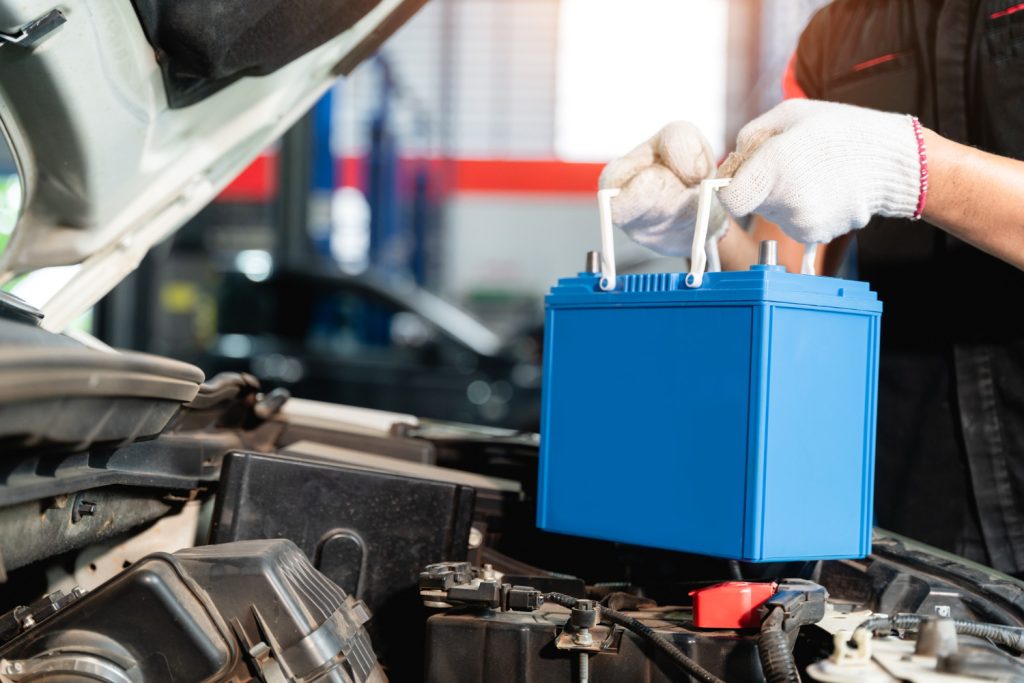
When a battery dies in the middle of a winter shift, delays are almost guaranteed. That’s where emergency fleet service becomes so helpful. It brings help to the driver instead of pulling the truck offsite or calling for a tow. That saves time and reduces missed stops for the day. East Coast Fleet Service offers mobile battery replacement as part of its on-site fleet maintenance, so commercial trucks in Raleigh and nearby cities like Durham, Chapel Hill, Cary, Apex, Fuquay-Varina, and Garner can be serviced where they are parked instead of being towed to a shop.
A typical emergency battery service in cold weather often includes:
- Testing battery health to see if a replacement is needed
- Checking connections and cables for corrosion or looseness
- Jump-starting the vehicle so it can get back on the road quickly
Those visits keep drivers moving without having to wait hours at a shop. Every minute counts when routes are full and customers expect on-time deliveries. Fast, on-location help means fewer reschedules and better peace of mind during a busy season.
Warning Signs That Point to Trouble Ahead
Dead batteries don’t always fail without warning. In fact, most give plenty of clues before quitting. The key is catching those signals early instead of treating them like small annoyances.
Some signs that a battery may be on its way out include:
- The engine sounds slow or sluggish during morning starts
- Cabin lights or radio cut in and out while starting
- A clicking sound comes from under the hood instead of ignition
When any of these things show up, there’s no reason to wait until the vehicle won’t start at all. That’s how fleets lose valuable time on the road. If a driver runs into these issues more than once, especially after a cold night, it may be time to make a call instead of taking chances.
Steps Fleet Managers Can Take Before Calling for Help
While dead batteries can’t always be avoided, there are some things we can do to reduce the risk as temperatures drop. A few small habits go a long way in spotting battery problems before they turn into a real emergency.
Fleet managers and drivers can stay ahead of cold starts by:
- Encouraging drivers to listen and pay attention during their morning start routines
- Assigning trucks to rotate more often rather than having some sit parked for long stretches
- Keeping a log of when each battery was last changed or tested
- Scheduling winter maintenance ahead of time, especially near late December
Even with good planning, quick service may still be needed. But when the trucks are checked regularly and records are reviewed, the number of surprise breakdowns tends to go down. Teams feel more prepared, and there’s less last-minute scrambling.
Fewer Delays, More Deliveries: Staying Ahead of Winter Breakdowns
Cold weather brings its own set of problems for fleet vehicles, and dead batteries rank near the top. They slow things down just when everything else is speeding up. Knowing what to watch for and how emergency fleet service works makes a big difference in staying on track.
By spotting early signs like slow starts, dim lights, or warning clicks, we can deal with problems before the wheels stop turning. When we plan ahead, rotate vehicles more often, and watch the weather, there’s less stress when the temperature drops. Staying ready helps keep schedules running smoothly through the coldest part of the year. In Raleigh, a solid start each morning can make the whole day easier.
Since every service East Coast Fleet Service offers is mobile and available 24/7, fleets can schedule battery checks and replacements around their own operating hours, which helps cut down on unplanned downtime during winter.
Winter can challenge your fleet’s battery life, but it shouldn’t disrupt your operations. We help keep your fleet running smoothly by identifying issues early and handling problems before they cause downtime. When your drivers face slow starts or weather-related breakdowns, it’s a good time to review your strategies for staying road-ready. Our rapid response to an emergency fleet service call makes all the difference when time matters most. Contact East Coast Fleet Service today to stay ahead this season.