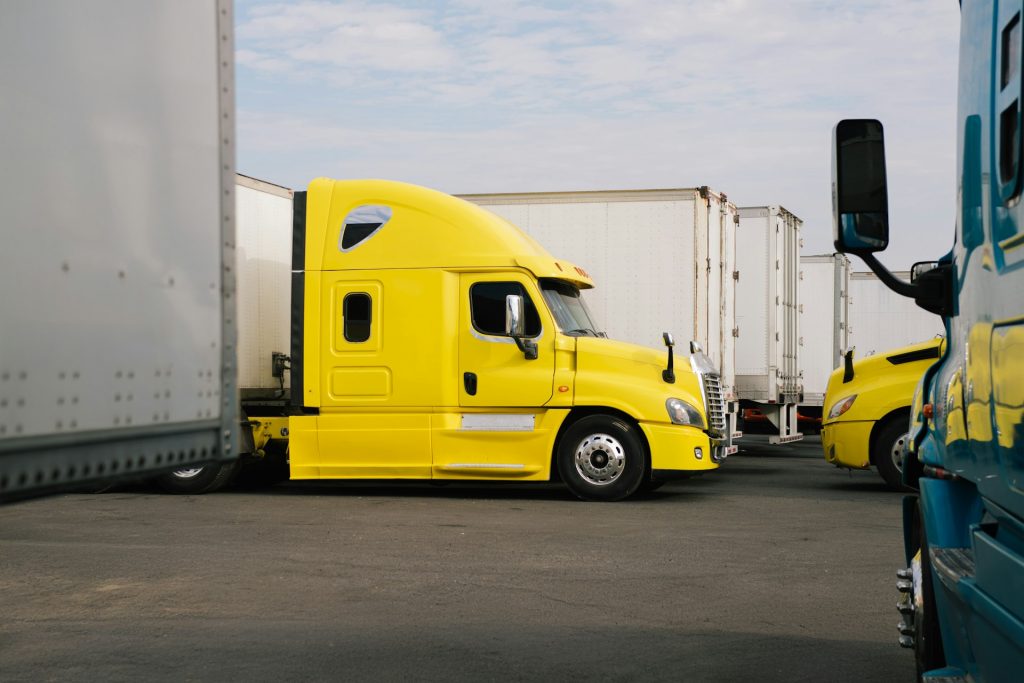
When trucks stay on the road, work gets done. That’s why the small things we do to take care of our vehicles matter a lot. One of the simplest ways to help fleet trucks last longer and avoid time in the shop is by staying on top of routine tire rotations.
A regular truck tire rotation service doesn’t take long, but it plays a big role in how our trucks drive and how often they need to be repaired. As spring begins to settle over Raleigh, it’s a smart time to check in on tire wear. Smooth driving, fewer mechanical surprises, and better grip on wet roads all start with balanced tires that wear the right way.
Why Tires Wear Out Faster on Raleigh Roads
Raleigh roads don’t go easy on truck tires. Between stop-and-go traffic through city routes and longer drives between jobs, tires face a mix of speeds, loads, and surfaces. Over time, that adds up.
Some roads see more potholes and rough patches in early spring, especially after colder months take their toll. Braking and turning repeatedly in traffic can cause tires to wear unevenly. Local delivery routes that hit frequent stops may put more pressure on front tires, while highway miles can flatten out the rears.
With spring weather rolling in, rising temperatures can speed up wear, especially on tires that already have uneven tread. Along with the first waves of heavy rainfall, this makes early spring a challenging time for fleets that can’t afford delays. Worn tires don’t just age faster, they can become a safety risk when they no longer grip the road the way they should.
If we wait too long to rotate them, that uneven wear quietly builds beneath the surface. By the time it’s noticed, it’s often too late to correct.
How Tire Rotations Help Prevent Bigger Problems
Rotating tires isn’t just about moving them around. It’s about balance. When tread wears different from one side to the other, it throws everything off, steering, stopping distance, road noise, and even fuel use can change. Rotating tires helps avoid that mess before it starts.
When we rotate tires on a regular schedule, we spot small issues like balding edges, loose lug nuts, or early alignment shifts we might’ve missed. Without these checks, uneven tread can start to affect suspension parts or steering components that were working just fine.
Skipping tire rotations can lead to:
- Tires losing grip earlier than expected
- Trouble controlling the truck during turns or rain
- Front-end misalignment that pulls the truck off track
We’ve seen how one skipped rotation can add up to more wear on one axle than the other, leading to early replacements. The difference between a truck coasting easily through the season or being stuck in the bay often comes down to whether or not those tires were rotated on time.
Timing Matters: When to Rotate Tires in North Carolina
We get why timing matters. Fleet schedules pick up speed in April, which makes March the right window to rotate before it gets too busy out there. North Carolina doesn’t get the harsh winter some other states see, but rain, temperature jumps, and road debris in early spring can take a toll if tire wear is ignored.
We recommend looking at rotations every 5,000 to 8,000 miles, depending on how the truck is used and which routes it follows. Trucks that carry extra load weight, or stop and start a lot, may need them sooner.
Rotating in mid to late March gives us a calm window before nonstop scheduling kicks in again. It helps our trucks avoid problems that tend to pop up right when we can’t spare the downtime.
What Drivers Might Notice Before a Tire Rotation Is Due
Before rotation time rolls around, trucks usually give us signs. Most drivers can feel when something’s off, even if they can’t quite pinpoint it. Small changes in how the truck feels on the road can be tiny red flags that tire wear is becoming uneven.
Look out for things like:
- A slight pull to one side when braking
- The steering wheel shaking during highway driving
- More road noise than usual, especially from one side
If a truck begins to feel “off” during routes, that info matters. We always suggest drivers report any odd behavior early. Catching these changes before they become full-blown issues keeps trucks out of the shop and available when we need them most.
Keeping Your Fleet Rolling this Spring
There’s no magic fix for avoiding maintenance, but something as simple as a tire rotation can make a meaningful difference. Balanced tire wear leads to smoother handling, longer-lasting tires, and safer stops, even in heavy spring rain or under heavier loads.
Staying ahead of scheduling now helps us avoid emergency downtime later. By keeping an eye on tire wear, reporting early signs, and rotating tires before the season gets busy, we can keep our trucks rolling and ready for what spring brings.
Regular tire rotation is a simple yet powerful measure that enhances overall vehicle stability and long-term maintenance. By following a consistent rotation schedule, fleet operators can enjoy improved handling and uniform tire wear. This straightforward practice contributes to a smoother operation and reinforces routine care across the fleet.
Learn how our truck tire rotation service helps prevent tire damage before it costs you valuable road time. Contact East Coast Fleet Service to get your trucks rolling into the season fully prepared.