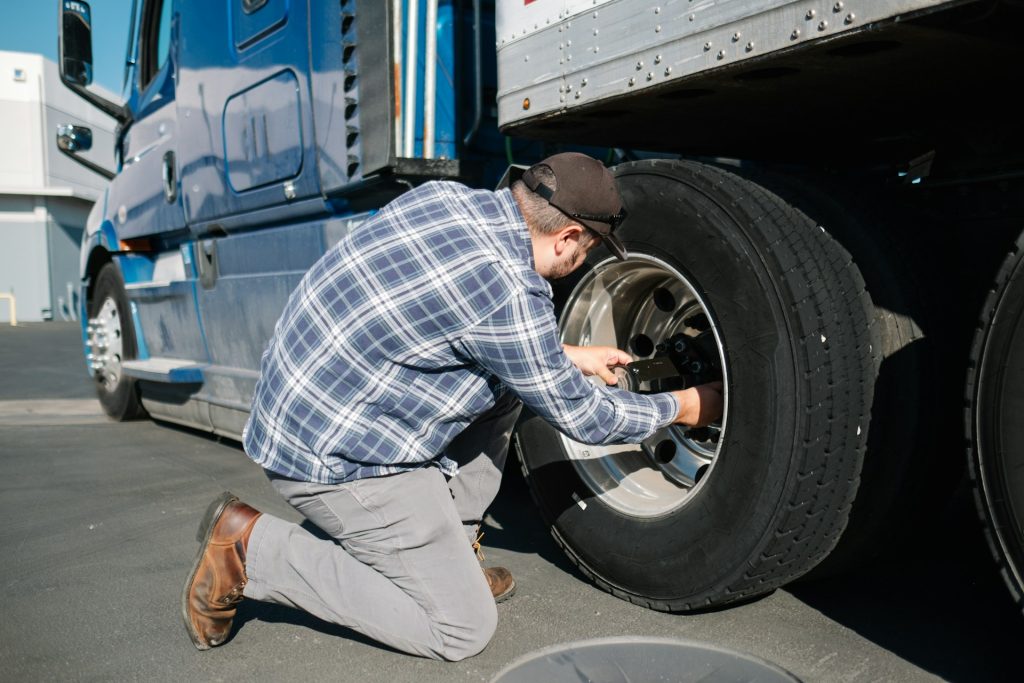
Fleet vehicles in Raleigh, North Carolina, face a mix of tough road and weather conditions all year long. From long, hot stretches in the summer to wet spring mornings, no season gives them a break. That kind of wear and tear builds up fast, especially when businesses rely on their trucks or vans every single day.
Fleet inspections help keep those vehicles on the road, running safely and smoothly. By checking for problems before they cause breakdowns, inspections save time, reduce stress, and help avoid major surprises. For operations that depend on staying on schedule, regular inspections are a simple way to stay prepared for whatever North Carolina’s seasons throw out next. East Coast Fleet Service supports that goal with mobile fleet maintenance that brings inspections and related services directly to your location in Raleigh and the surrounding Research Triangle communities.
Why Inspections Matter in Every Season
In a place like Raleigh, the seasons don’t just change how we dress. They change how vehicles behave, too. Every shift in the weather can stress the parts that keep a fleet moving.
Hot summers are especially rough. High temperatures can wear down tires faster, make batteries work harder, and even cause brake fluid to lose its punch. Fleet vehicles sitting in direct sun day after day feel it across every system.
Spring has its own challenges. Constant rain can lead to water damage or slippery roads. That makes brake performance even more important. And if you’ve lived through a Raleigh spring, you know how the pollen coats every surface. It doesn’t just look messy, it can clog air filters and create a film in exposed spots.
With each season bringing different concerns, inspections help spot the issues early. A routine check between seasons helps prevent small problems from becoming last-minute emergencies.
What’s Covered in a Fleet Inspection
A solid inspection covers way more than a quick look under the hood. Every part that keeps a fleet vehicle running safely gets attention, and that can make a big difference over time.
Here’s what usually gets checked:
- Tires (for tread life, wear patterns, and proper inflation)
- Brake systems (looking for pad life, leaks, or worn parts)
- Fluids (like oil, coolant, and brake fluid to confirm levels and signs of trouble)
- Lights and signals (to make sure everything works and is up to code)
- Battery strength (especially after extreme weather changes)
Because Raleigh roads can kick up a lot of dirt and moisture, it’s common to find rust starting underneath the vehicle. A good inspection checks the undercarriage for build-up and damage, especially near brake lines and joints.
Staying organized makes a big difference, too. Inspection records or digital logs help track each visit, which makes it easier to plan future checks, spot trends, and avoid second-guessing when something happens down the line.
Common Issues Found in Fleet Vehicles
Even with regular care, wear and tear sneaks up over time. Inspections help catch the usual culprits before they become real problems.
Here are a few of the most common things we find:
- Brake wear or soft pedal response
- Tires worn unevenly or close to the limit
- Small leaks from joints or fluid containers
- Corrosion under the vehicle or around electrical contacts
- Loose belts causing odd noises or poor performance
These can all lead to bigger problems if ignored. For example, a slightly uneven tire might not seem like a big deal, but left alone, it can shorten the life of the whole set. Catching these kinds of issues means repairs can happen on your schedule, not when you’re in the middle of a busy delivery day.
How Routine Inspections Keep Your Team Moving
When a fleet vehicle breaks down unexpectedly, everybody’s work gets thrown off. Routes get delayed, customers wait longer, and drivers have to scramble to adjust. That adds stress and eats into the day.
Routine inspections help reduce those surprises. By keeping vehicles running right in the background, inspections let other parts of the business stay focused on the job at hand. Over time, an inspection routine becomes part of reliable planning, not just a safety net.
For business owners and fleet managers, that’s peace of mind. Everyone knows the next vehicle headed out has been checked recently and can be counted on to perform. It’s about working with confidence that the vehicles behind the work are ready to go wherever they’re needed next.
By scheduling these inspections, fleet managers gain valuable insight into maintenance needs, ensuring minor issues are addressed well before they escalate into major, time-consuming repairs. Such proactive management is essential for continuous operations.
Stay Ahead of Problems With Regular Checks
Planning ahead every season makes fleet ownership easier and less stressful. When vehicles are inspected regularly, they stay ready for whatever conditions come next. Whether it’s summer heat or spring storms, small checks now can prevent big repairs later.
Raleigh’s mix of weather means businesses never get a break from road stress. But consistent inspections offer a way to stay ready and avoid the last-minute rush when something breaks. These small steps today help push off big problems tomorrow, keeping drivers safer and fleets rolling smoothly without skipping a beat. East Coast Fleet Service offers mobile oil changes, tire services, brake servicing, and battery replacement as part of a regular maintenance plan that supports those seasonal inspections.
At East Coast Fleet Service, we know how much steady performance matters when your business depends on reliable vehicles. That’s why regular checks are never overlooked. From tires and fluids to brakes and batteries, routine maintenance helps everything run smoothly. Unsure where to start? Our guide to fleet inspections can help you determine what to check first. Reach out today and let’s talk about keeping your vehicles road-ready year-round.