
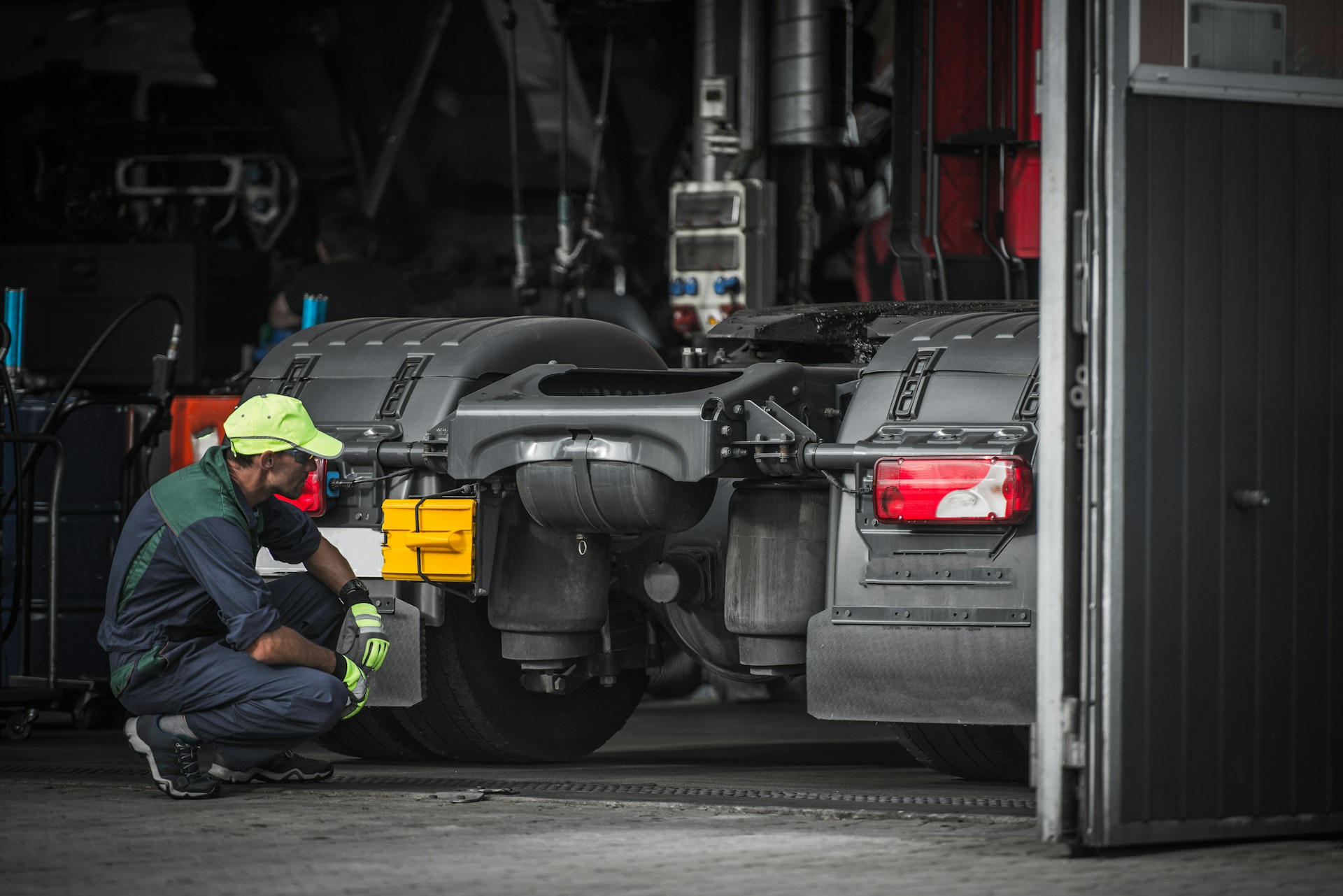
Spring brings warmer weather, longer days, and a good reminder that DOT inspections are right around the corner in Wake County. If you manage a fleet, this is the time to start getting vehicles in top shape so you’re not rushing as April approaches. Staying ahead of any maintenance or paperwork now keeps everything running smoothly when inspection time arrives.
Fleet inspections can feel like a lot, but they don’t have to be stressful. Breaking things down into simple, focused steps helps make the process easier. You don’t need to overhaul everything overnight. Just start preparing one area at a time, and it’ll all come together before inspectors start making the rounds.
Check Tire Health Before the Roads Heat Up
Tires often take a beating over the winter, even in places like Raleigh, North Carolina, where the cold isn’t too harsh but is still enough to affect tire pressure and wear. Tires that were fine in January might not be up to scratch come March.
Here are a few things to look at when checking tire health:
- Scan for uneven tread wear since this can signal something’s off with alignment or suspension
- Measure tire depth to make sure it meets safety standards
- Check pressure now that temperatures are rising since cold air contracts and warmer air expands
- Look for sidewall damage or bulging that might have gone unnoticed during winter
It’s always better to replace worn tires before you’re forced to during an inspection. A fresh set keeps you compliant and safer on the road.
Get Brakes and Lights in Working Order
Brakes are another area that can quietly wear out over time, especially when roads are wet or slick. Spring is a good checkpoint to go over every vehicle and make sure the brake system is still performing as it should.
A full check should include:
- Brake pad thickness and condition
- Fluid levels and leaks in brake lines
- Rotor surfaces for scoring or warping
While checking brakes, it makes sense to walk around and test all vehicle lights. Blown bulbs happen more often than people think, and small electrical hiccups can easily slip through the cracks during day-to-day use. DOT inspectors will look at all lights, so make sure things like flashers, turn signals, and brake lights are working properly on every unit.
Clean and Inspect Vehicle Exteriors
Spring cleaning isn’t just for offices or garages. When it comes to your fleet, a good wash can reveal hidden damage and make sure all markings are easy to spot. Winter road grime, salt, and mud can build up on vehicles fast.
As you go through the wash and inspection process, keep these things in mind:
- Scan for cracked windshields or chipped glass
- Check mirrors, headlights, and other fixtures for damage or looseness
- Clean and confirm DOT numbers are clearly visible
Sometimes repairs or updates are needed after a winter season. Don’t assume reflectors or decals are still in place without looking closely. A small fix now avoids a larger issue down the road.
Organize Inspection Records and Logs
You might have every vehicle running great, but if your records aren’t in order, a DOT inspection can still hit a snag. Spring is a perfect time to tidy up driver logs, maintenance files, and inspection histories.
Here’s what to focus on before inspections ramp up:
- Put all vehicle inspection reports, repair orders, and service sheets in chronological order
- Double-check that each driver’s logs are up to date and filed where they can find them
- Back up everything digitally if possible or create folders for quick access during inspections
Inspectors won’t want to dig through piles of random papers. If your paperwork is clear and ready, the process moves faster and feels less stressful for everyone.
Schedule Preventive Services Before the Spring Rush
Middle to late March tends to get busy as more businesses wake up from the slower winter stretch. That’s why we always recommend getting minor service work handled early. Not every vehicle needs major repairs, but small things like oil changes, fluid checks, or new wiper blades can sneak up on you.
The best time to schedule regular service is before the calendar fills up. That way, vehicles aren’t waiting around for open slots later in the season.
It helps to:
- Check the last service date for each unit
- Knock out minor items before inspectors suggest them
- Keep vehicles available and working instead of sidelined during business hours
Getting these proactive steps done now helps avoid getting caught in the spring crunch.
Stay Ahead and Keep Fleets on the Move
Wake County inspections don’t sneak up. We all know when they’re coming, and the smarter choice is to be ready early. Taking action now means fewer surprises later. Whether it’s tires, brakes, exteriors, or paperwork, it all adds up to make the season smoother for drivers and managers alike.
Fleet inspections might be a requirement, but how we prepare for them is a choice. When steps are taken gradually in March, there’s still time to make changes before the pressure picks up. Staying ready avoids downtime and helps keep things safe, running, and on schedule as the spring season gets rolling.
Staying prepared for spring inspections takes some planning, but it doesn’t have to get in the way of your daily operations. Tire wear is one issue to consider before roadside checks, and we’re here to help. Keeping up with routine maintenance like tire replacements can make a big difference during upcoming fleet inspections. At East Coast Fleet Service, we help businesses across the Raleigh area keep their vehicles safe, presentable, and running smoothly, so give us a call when you’re ready to schedule a visit or ask a question.