
Cold winter mornings in Raleigh, North Carolina, can be tough enough without finding your truck won’t start. You’ve got deadlines to meet and deliveries lined up, but instead of hitting the road, you’re stuck with a dead battery. We’ve all been there, turning the key, hearing nothing, and feeling that split-second panic.
Truck battery replacement isn’t just a routine task. It usually shows up at the worst time, especially when temps have dropped overnight. When one of our fleet trucks fails to start in the cold, we need to move quickly and stay calm. We provide mobile battery replacement for commercial fleets throughout North Carolina, so help can come directly to your lot, job site, or roadside stop. Here is what we focus on to keep our trucks running smoothly throughout the worst of winter.
First Signs Your Truck Battery May Be Failing
A dead battery rarely happens without warning. There are signs that something is off, but they are easy to miss when the day gets busy. Spotting these red flags early can help keep your trucks from staying parked too long.
Some warning signs to watch for include:
- A slow, dragging engine sound when you turn the key
- Dim or flickering headlights, dashboard lights, or radio display
- Warnings popping up on the dashboard, especially battery or check engine lights
If drivers mention that the truck sounds different or takes longer to start, it is worth looking into right away. Problems do not fix themselves, especially during winter months. Keeping an eye and ear out for early trouble cuts back on surprises down the line and can help avoid a tough morning call at 6 a.m.
Why Cold Weather Drains Truck Batteries Faster
Batteries work harder in the cold, and around here, January and February bring overnight lows that can sneak below freezing. Even in the Triangle, we deal with chilly mornings that make things more difficult under the hood.
When temps fall, the internal chemistry of a truck battery slows down. Cold weather thickens battery fluid and slows the reaction needed to crank the engine. That means less power is available right when more power is needed to start a cold engine.
In trucks that already have weak or aging batteries, even a mild freeze can be the last straw. That is why we do not wait until we are stuck roadside to think about battery health. Raleigh mornings in February are no time to gamble on whether the truck will turn over.
What to Do Right After a Dead Battery Stops Your Route
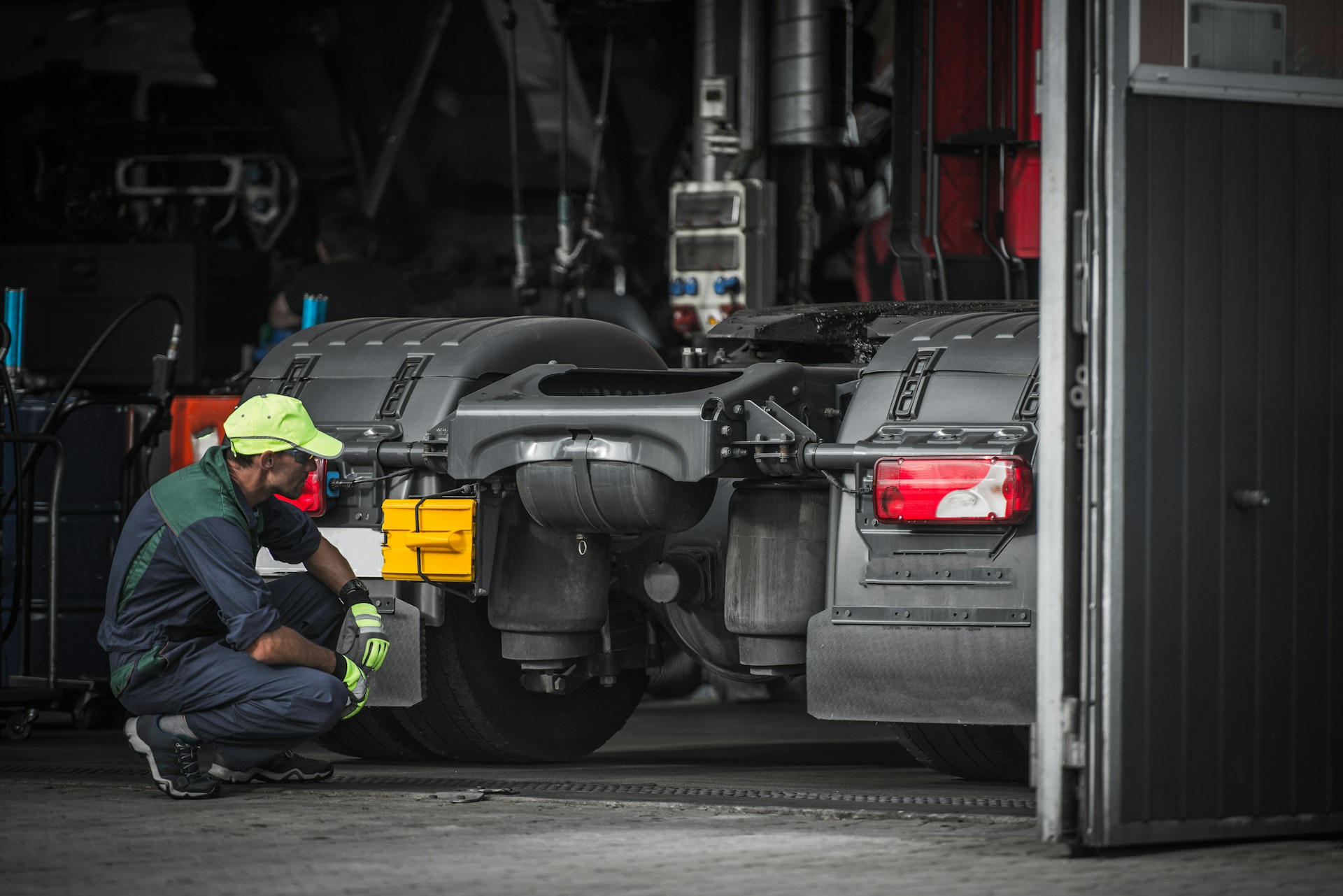
When a truck does not start because of a battery issue, we know it is not just a vehicle problem, it is a time problem. Deliveries get delayed, drivers get stressed, and the workday can fall behind fast. That is why we do not waste time when a dead battery stops a route.
Here is what we recommend right away:
- Make sure the driver and truck are safely parked
- Avoid trying to force the truck to start or poking around under the hood
- Get quick access to help, especially mobile support
Trying to fix it then and there often makes things worse or wastes valuable time. A truck at a standstill needs a reliable response, not trial and error. Whether broken down at a job site, on a delivery street, or parked at the yard during warm-up, staying calm and calling for help is quicker and safer for everyone involved.
How On-Site Support Gets Trucks Back on the Road Quicker
When trucks in our fleet are stuck with dead batteries, losing time is not an option. Fast answers matter, and that is where on-site support can make a real difference.
Compared to waiting on a tow or sending someone across town with jumper cables, getting help brought to us keeps our day from falling apart. On-site service means:
- No waiting in lines or calling around for open garages
- No towing delays or driver downtime
- Repairs happen wherever the truck is, bypassing the garage altogether
It can be in the lot before a shift starts, at a work location in between loads, or parked on the roadside. Either way, skipping the shop and focusing on mobile truck battery replacement makes things easier and keeps schedules mostly intact. Our team is available 24/7 for fleet support, which helps when cold weather problems show up before dawn or late at night. We support fleets in Raleigh, Durham, Chapel Hill, Cary, Apex, Fuquay-Varina, and Garner, so multiple job sites can be covered under one mobile service plan.
Keeping Your Fleet Ready for Raleigh’s Toughest Mornings
We do not wait until batteries die to deal with them. Winter brings enough challenges without surprise breakdowns. For fleets in and around Raleigh, avoiding breakdowns starts with getting ready when fall wraps up and temps begin to dip.
To stay winter-ready, we:
- Perform regular checks on battery condition before cold weather sets in
- Replace older batteries before they fail in a cold snap
- Keep maintenance logs up to date so no vehicle falls behind
It is simple but effective. An unexpected cold front can bring problems overnight, so we like to stay ahead of it. Doing just a few smart checks throughout the season helps our fleet steer clear of the freeze-and-sit routine.
Get Moving Again Without Missing a Beat
When truck batteries fail on cold Raleigh mornings, it is often a surprise, but it does not have to throw the whole day off. By spotting early warning signs, knowing how cold weather changes battery strength, and acting fast when things go silent, we keep our fleet moving and on schedule.
These moments are bound to happen now and then. With the right steps and a clear plan, we avoid long delays and missed routes. A little preparation and a smart response go a long way when winter mornings hit harder than expected.
Trucks that are slow to start this winter or not turning over at all can lead to more problems, especially during cold Raleigh mornings, so keeping our vehicles in peak condition is a must. When batteries are aging or underperforming, a fast and reliable fix can make all the difference. Our mobile services cover everything from diagnostics to truck battery replacement right where your fleet is parked. Contact East Coast Fleet Service to get your trucks moving again without losing valuable time.