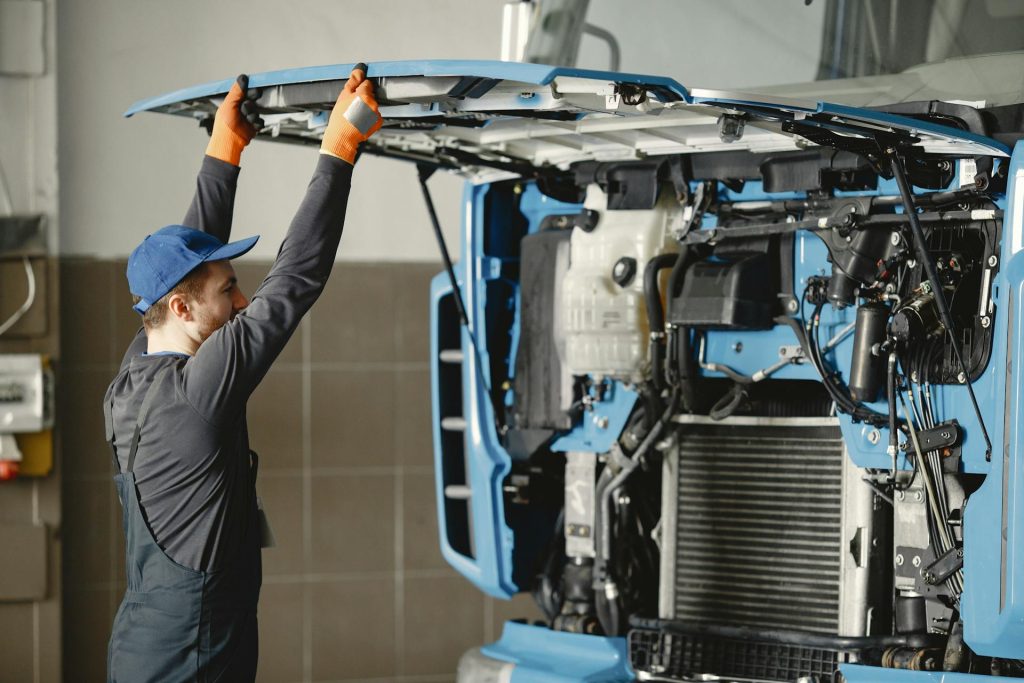
Skipping Inspections Today, Facing Breakdowns Tomorrow
Fleet inspections might feel like one more thing on a long to-do list, especially when you are trying to keep every truck rolling on time. But skipping them does not actually save time. It just pushes problems down the road until they show up in the worst way, like a truck stuck on the shoulder while the schedule falls apart.
Think about a delivery truck on I-440 in the middle of Raleigh morning traffic. A small coolant leak that would have been caught in a routine inspection turns into an overheated engine and a dead stop in the right lane. Now you have a tow to arrange, deliveries to reschedule, drivers waiting, and customers asking where their loads are. All because one quick check never happened.
Regular fleet inspections are the quiet backbone of reliable operations, especially for businesses running tight routes across Raleigh, Durham, Cary, and the rest of the Triangle. When they happen on time, issues stay small and predictable. When they get skipped, you trade simple, planned visits for surprise breakdowns that hit revenue, safety, and your reputation all at once.
Skipping an inspection is not just skipping paperwork. It is choosing risk over control, and that risk almost always shows up at the worst possible moment.
Hidden Risks Lurking in Uninspected Fleets
A truck rarely goes from “fine” to “failed” in one day. Parts wear down slowly. Without regular inspections, you do not see the warning signs until something lets go.
Some of the most common trouble spots are:
- Brakes that are thin, out of adjustment, or dragging
- Tires with low tread, sidewall cuts, or uneven wear
- Steering and suspension parts that are loose or worn
- Batteries that are weak or corroded
- Lighting and signals that are dim, cracked, or not working
North Carolina roads and weather add another layer. Heat and humidity as spring rolls into summer are hard on:
- Cooling systems that already have weak hoses or low coolant
- Tires that are slightly underinflated or worn on the edges
- Batteries that are near the end of their life
When the temperature climbs, small weaknesses turn into real problems. A truck that might limp along in mild weather can overheat or lose a tire once it gets hot and sticky outside.
The thing is, many of these failures give early hints. A trained mechanic can spot:
- Uneven tire wear that points to alignment or suspension issues
- Brake pads that are close to the end of their safe range
- Seepage around hoses, fittings, or gaskets
- Slow cranking or low voltage from a battery test
Drivers might not notice anything at first from behind the wheel. The truck still starts, stops, and turns. But a careful inspection in your lot can catch those issues long before they turn into a roadside stop.
The Real Cost of One Missed Inspection in Raleigh
When a truck goes down in service, the cost is not just the repair. It is everything that piles up around it.
Here is what one missed inspection can turn into:
- Roadside tow or mobile repair at an inconvenient spot
- Overtime pay for drivers and dispatch trying to recover the route
- Rescheduled or missed deliveries
- Extra fuel and time sending another unit to cover the load
Now add local traffic realities. A breakdown on I-40 near Raleigh, in construction around a busy interchange, or on crowded streets in Durham or Cary, can tie up your schedule for hours. Getting a disabled vehicle safely off the road and to a shop takes time. That time comes straight out of your delivery window.
When one truck is out of service:
- Routes need to be shuffled
- Another vehicle and driver may have to cover extra ground
- Pickups and drop-offs slide later and later into the day
Clients feel that. They start to question how dependable your fleet really is. A pattern of late arrivals or cancelled runs makes it easier for them to shift work to someone else who seems more reliable.
All of this can often be traced back to things that would have been quick and simple during a regular inspection in your own yard.
Safety, Liability, and Compliance You Cannot Ignore
Skipping inspections does not only hurt your schedule; it also affects safety for your drivers and everyone else on the road.
When vehicles are not checked on a regular basis, you raise the chances of:
- Longer stopping distances from worn brakes
- Tire blowouts that can cause loss of control
- Poor visibility from bad headlights, brake lights, or turn signals
- Steering issues that make it hard to keep the truck in its lane
If an accident happens and it comes out that preventive maintenance and inspections were ignored, there can be serious legal and insurance problems. Lack of records can make it harder to show that you did your part to keep vehicles safe. That can lead to:
- Higher insurance premiums
- Tougher claim disputes
- More liability exposure for the business
Commercial vehicles in North Carolina are expected to meet inspection and compliance rules. Consistent, documented inspections support your case that you are doing what is required. They show patterns of care, not neglect. If something does go wrong, having clear records of regular checks and repairs can help prove due diligence.
How On-Site Fleet Inspections Protect Your Schedule
One reason some fleets skip inspections is simple: pulling trucks off the road for the shop feels like lost time. That is where mobile, on-site inspections can make a real difference.
With on-site service, inspections can happen:
- Early in the morning before drivers head out
- During shift changes when trucks are already parked
- Between routes while vehicles are in your lot
Instead of sending units across town and having drivers sit in a waiting room, the mechanic comes to you. While trucks are parked where they normally sit, they can be inspected and serviced.
Bundling services saves even more time. A mobile team can:
- Perform inspections while doing oil changes
- Rotate or replace tires and check brakes at the same visit
- Test batteries and charging systems during routine checks
This keeps your fleet in a “ready” state without constant back-and-forth to a shop bay. Your trucks stay close, your team keeps control of their day, and small problems get handled during planned downtime.
When you partner with experienced mobile mechanics who bring the right tools and equipment to your yard, inspections become part of your regular rhythm, not a disruption. That steadiness is what keeps you ahead of breakdowns.
Turn Missed Inspections Into a Summer-Ready Plan
If you know inspections have been rushed or skipped, the good news is you can change course before the next busy stretch hits. The first step is to look at your current schedule and see where gaps have opened up.
A helpful approach is to:
- Review each vehicle’s recent inspection and service history
- Flag units that are overdue or only had quick spot checks
- Note upcoming heavy-use periods and long routes
From there, you can build a simple inspection calendar that fits how you operate in Raleigh and the surrounding areas. For example, you might:
- Group inspections by route or region so vehicles are checked between certain runs
- Plan early-morning on-site visits on your slower weekdays
- Rotate through the fleet so every unit gets seen on a steady cycle
Bringing mobile service into that plan helps prevent a rush of overdue trucks all at once. Instead of a backlog, you get regular, steady attention on the whole fleet.
At East Coast Fleet Service, we focus on keeping commercial vehicles road-ready with mobile, on-site preventive and emergency maintenance across North Carolina. When inspections are built into your routine instead of skipped, your drivers stay moving, your customers stay happy, and your business can grow on a solid, reliable foundation.
Keep Your Fleet Safe, Compliant, and On the Road
If you are ready to reduce downtime and avoid costly roadside breakdowns, schedule professional fleet inspections with East Coast Fleet Service. Our mobile team comes to you, saving your drivers time while keeping every vehicle in top working condition. Reach out today through our contact page so we can set up a service plan that fits your schedule and keeps your fleet moving.